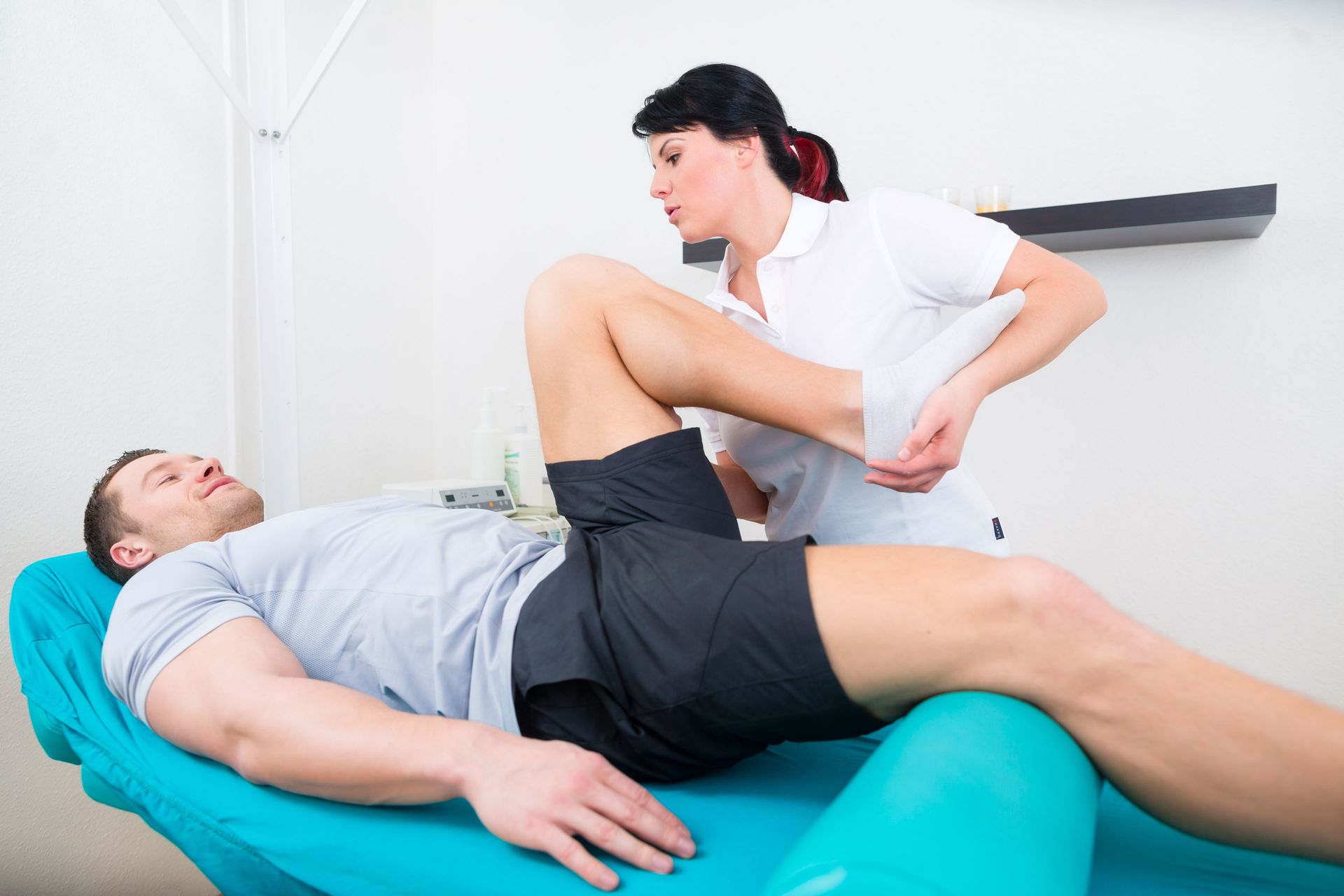
In this fast-paced world, physical therapy has emerged as a vital component in health care for treating a wide range of physical ailments. This article explores the comprehensive benefits of physical therapy, explaining why it is a crucial treatment option for many individuals. Physical therapy is more than just a rehabilitation tool; it is an integral part of a holistic approach to health and wellness. With increasing awareness of the importance of non-invasive treatments, physical therapy has become a preferred choice for many seeking pain relief and improved mobility. The journey to better health often includes the dedicated practices found in physical therapy, enhancing the lives of millions of individuals worldwide.
Improve Mobility and Restore Proper Posture
Physical therapy techniques are designed to increase flexibility and joint range, enhancing daily movement capabilities. Therapists utilize various methods, such as stretching and strength-building exercises, to help patients regain full range of motion. Individuals suffering from conditions that limit mobility often find physical therapy to be a vital component of their recovery process. Customized programs tailored to individual needs ensure that each patient receives optimal care for improving their range of motion. As mobility enhances, patients experience a greater sense of independence and improved quality of life.
Guidance and exercises focused on correcting posture to prevent future pain and mobility issues. Improper posture is a common contributor to neck and back pain, which physical therapy can effectively address. Through targeted exercises, patients learn to align their spine correctly, reducing strain and preventing long-term injuries. Improved posture not only alleviates pain but also boosts confidence, as individuals carry themselves more gracefully. The emphasis on posture correction is an integral part of physical therapy's role in promoting a holistic approach to health.
Customized rehabilitation programs help patients recover mobility after surgical procedures. The transition from surgery back to normal activity can be a daunting process, requiring the expertise of physical therapists for optimal recovery. These professionals create rehabilitation plans that focus on safe and effective techniques, ensuring a steady and pain-free return to routine activities.
Manage Pain With Targeted Therapeutic Techniques
Hands-on treatments that alleviate pain and improve function without medication. Physical therapists employ manual techniques such as mobilization and soft tissue massage to relieve discomfort. These approaches stimulate blood flow and reduce tension, facilitating the body's natural healing processes. The effectiveness of manual therapies offers a compelling alternative to pharmaceutical pain management, minimizing the risk of dependency. Enhanced with personalized exercise plans, these therapies provide sustainable pain relief and improved quality of life.
Strength and stretching exercises target pain conditions to enhance muscle function. Patients are guided in exercises that focus on building strength in weak muscles and increasing flexibility. These therapeutic routines aim to create balance in the body's muscular systems, thereby reducing pain. With professional supervision, exercises are adjusted to match the patient's progress, ensuring continuous improvement. This proactive approach in physical therapy showcases its value in achieving long-term wellness goals without reliance on medication.
Enhance Balance and Prevent Falls
Identifying and reducing fall risks through specialized balance training exercises. Physical therapists evaluate patients' stability and develop tailored interventions to enhance their balance. These programs focus on strengthening core muscles and improving reflexes to reduce fall risks. Older adults especially benefit from such interventions, seeing significant improvements in their mobility and safety. As the population ages, the demand for fall prevention programs is expected to increase, highlighting physical therapy's critical role in public health.
Therapies aimed at addressing inner ear issues that affect balance. Patients with vertigo or imbalance due to vestibular disorders find these specialized exercises integral to regaining normal function. Vestibular rehabilitation targets the vestibular system, the part of the inner ear involved in balance, using customized exercises. Through consistent therapy, patients learn to adapt to changes in their balance cues and reduce symptoms. Physical therapy in this area offers significant relief, improving patients’ stability and confidence in their movement.
Support Healthy Aging and Manage Chronic Conditions
Bone strengthening exercises and strategies to reduce fracture risk. Osteoporosis patients benefit from physical therapy programs that include weight-bearing exercises to enhance bone density. These activities are designed to decrease the likelihood of bone fractures, a common concern among the elderly. By strengthening muscles and improving balance, patients gain confidence in daily activities, reducing the incidence of falls. Physical therapy provides a structured environment where safe and effective osteoporosis management is practiced.
Joint-friendly exercise plans to handle arthritis-related discomfort. Therapists offer tailored routines that promote joint flexibility and ease arthritis symptoms. Exercising under professional guidance ensures that movements are safe and beneficial, reducing pain and improving joint function. Patients often find relief in water exercises, which provide low-impact resistance ideal for arthritic joints. The sustainable approach of physical therapy helps individuals manage arthritis, maintaining independence and quality of life.
Recover From Sports Injuries and Improve Athletic Performance
Custom plans address specific sports injuries with a focus on a speedy, effective recovery. Athletes benefit from rehabilitation plans that cater to the unique demands of their sport, ensuring optimal recovery. Physical therapists closely monitor progress, adapting therapy as needed to support recovery while preventing future injuries. The individualized attention provided in physical therapy is essential for athletes seeking to return to peak performance. This personalized approach underscores the significance of physical therapy in sports injury management and prevention.
Methods to facilitate muscle repair and minimize downtime after an injury. Massages, stretching, and gradual strength training are central components of muscle recovery strategies. These techniques relieve tension and promote healing, reducing inflammation and restoring muscle function. Athletes are guided in maintaining fitness levels while managing injuries, ensuring a seamless return to competition. This strategic balance of rest and activity exemplifies the art of physical therapy in sports recovery.
Promote Mental Well-Being and Enhance Quality of Life
Integration of physical activity as a tool for improving mental well-being. Physical therapy sessions emphasize movement as a mechanism for stress reduction, mood improvement, and increased energy levels. By engaging in regular therapy, patients experience the mental health benefits associated with physical activity, such as reduced anxiety and depression. This dual focus on physical and mental health underscores the holistic nature of physical therapy. According to IBISWorld, the market size of the U.S. physical, occupational, and speech therapists industry is approximately $55.7 billion in 2026, reflecting its role in both physical and mental health arenas.
Exercises that can potentially enhance immune function and reduce illness. Physical therapy encourages healthy lifestyle practices that support overall wellbeing, including immune health. Patients often report fewer illnesses and quicker recovery times when participating in regular physical therapy. By incorporating physical activity into routine care, physical therapy fosters a stronger, more resilient immune system. The emphasis on immunity highlights physical therapy's broader health impact beyond injury recovery.
Physical therapy offers a multitude of benefits that extend beyond simple injury recovery, playing a crucial role in enhancing physical health, managing pain, and improving overall quality of life. As a non-invasive, drug-free treatment option, it is a valuable component in holistic health care management. In an era focused on both longevity and quality of life, physical therapy provides the resources patients need to achieve and maintain optimal health. The combination of professional guidance and tailored exercise regimens ensures that those who engage in physical therapy reap long-lasting benefits. Reach out to Therapy Providers of America to learn more about our services today.